

This comprehensive guide will walk you through all the National Parks and Game Reserves in Kenya as officially managed by the Kenya Wildlife Service (KWS). Here is everything you need to know for planning your 2026 safari adventure.
Kenya has cemented its position on the global stage and is widely referred to as the home of safari, due to the remarkable number of protected areas, including world-renowned destinations such as the Maasai Mara, which provides spectacular views of the Great Wildebeest Migration every year.
According to the Kenya Tourism Regulatory Authority’s official 2024 Tourism Sector Performance Report, Kenya welcomed 2,394,376 international visitors in 2024, a record high representing a 15% increase over 2023, demonstrating that this vital industry continues its rapid growth trajectory. A key factor contributing to the country’s thriving tourism sector is the extensive network of protected sites, which fall into distinct management categories: National Parks, National Reserves, National Sanctuaries, and Marine Protected Areas.
National Parks are managed exclusively by the Kenya Wildlife Service (KWS), which strictly prohibits human habitation to allow wildlife to thrive in their pristine natural habitats. These areas are designated as fully protected regions where conservation takes absolute priority. National Reserves, on the other hand, operate under a different management structure where local councils and communities play key roles, allowing some controlled human activity while still prioritizing wildlife conservation. National Sanctuaries are specialized conservation areas focused on protecting specific species or habitats.
More Read

As officially confirmed by KWS in 2026, Kenya’s protected area network comprises 23 National Parks, 31 National Reserves, and 6 National Sanctuaries, along with various marine parks and reserves distributed across the counties bordering the Indian Ocean. Together, these protected areas cover approximately 8% of Kenya’s total landmass, representing one of Africa’s most comprehensive conservation systems.
National Park vs. Game Reserve: What’s the Difference?
One of the most common questions travellers ask before booking a Kenya safari is: What exactly is the difference between a national park and a national reserve? Understanding this distinction helps you plan your trip more effectively and set accurate expectations.
National Parks are gazetted and managed entirely by the Kenya Wildlife Service (KWS), a government body established under the Wildlife Conservation and Management Act. Within national parks, human settlement and cultivation are strictly prohibited. No livestock grazing is permitted, and all activities inside the park, including tourism operations, are regulated and controlled by KWS. This strict protection framework means that national parks tend to offer more pristine, undisturbed wildlife habitats. Entry fees are standardized and collected directly by KWS.
National Reserves, on the other hand, are managed by county governments and, in many cases, by local community councils. While wildlife conservation remains the primary objective, national reserves permit a greater degree of human activity within and around their boundaries. Pastoralists may graze livestock in certain zones, and local communities often live adjacent to or within reserve boundaries. This community-centered model means that revenue from tourism in national reserves is typically shared between KWS and the managing county or community organization. The Maasai Mara National Reserve, for example, is managed by the Narok County Government, not directly by KWS, which is why its entry fees and operational policies can differ from those of national parks.
National Sanctuaries serve a more specialized function. They are established to protect specific, often endangered species or sensitive ecosystems within a defined, heavily managed zone. The Ngulia Rhino Sanctuary inside Tsavo West National Park is a prime example of a fenced area dedicated exclusively to the protection and breeding of black rhinos.

The key practical differences are:
- Ownership and management: National Parks → KWS exclusively; National Reserves → county/community councils; Sanctuaries → KWS/specialized management
- Human activity: Prohibited in national parks; limited but permitted in reserves
- Entry fees: Standardized by KWS for national parks; set by county/community for reserves
- Conservation focus: Broad in national parks; community-integrated in reserves; species-specific in sanctuaries
Major National Parks and Game Reserves
Below, we have discussed the major national parks and game reserves in the country:
Maasai Mara National Reserve
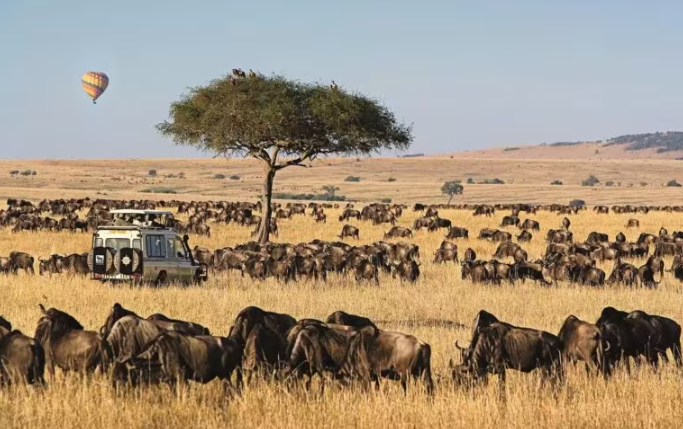
Maasai Mara stands as one of the most celebrated wildlife destinations on Earth, renowned for its extraordinary biodiversity and captivating landscapes. Covering 1,510 square kilometers in southwestern Kenya, this reserve forms the northern extension of Tanzania’s Serengeti ecosystem, creating one of Africa’s most important wildlife corridors.
The reserve is globally famous as the stage for the Great Migration, the world’s most spectacular wildlife phenomenon involving over 1.5 million wildebeest, 400,000 Thomson’s gazelles, and 200,000 zebras searching for fresh grazing areas. This remarkable natural spectacle typically occurs from July through October, when massive herds cross the treacherous Mara River, offering visitors unforgettable wildlife-viewing opportunities.
The Maasai Mara offers exceptional opportunities to witness the Big Five lions, elephants, leopards, buffaloes, and rhinoceroses with one of Africa’s highest concentrations of large predators. The reserve boasts over 470 bird species, making it a paradise for birdwatchers.
Amboseli National Park
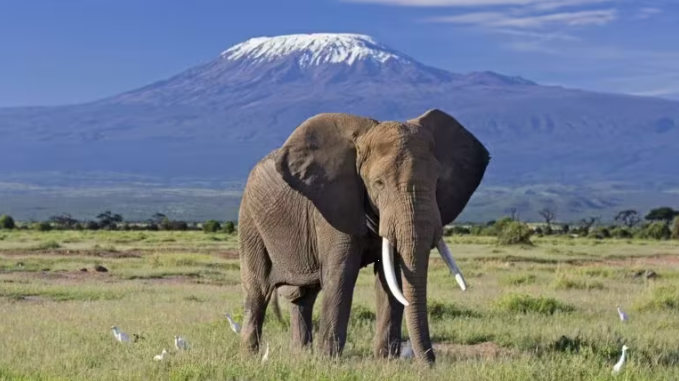
Located in the southern region of Kenya along the Tanzania border, Amboseli National Park encompasses 392 square kilometers of diverse ecosystems ranging from wetlands and savannahs to acacia woodlands. The park is internationally renowned for its large elephant populations, often described as having some of Africa’s most impressive tuskers.
Amboseli serves as a critical habitat for over 400 recorded bird species, making it one of Kenya’s premier birdwatching destinations. The park’s varied landscapes support diverse wildlife, including lions, cheetahs, buffalo, hippos, and numerous antelope species. The optimal visiting period extends from June to October when the dry season concentrates animals near permanent water sources, though the park offers excellent wildlife viewing year-round.
Tsavo National Park
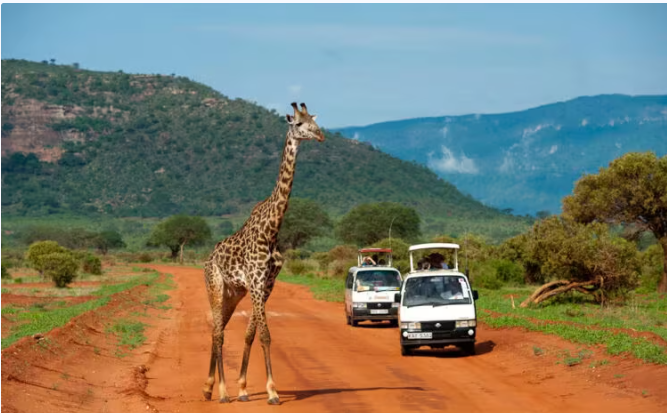
Tsavo National Park represents Kenya’s largest protected area, covering an impressive 22,000 square kilometers and divided into two distinct sections: Tsavo East and Tsavo West.
Tsavo East is characterized by expansive semi-arid savannahs, seasonal rivers, and distinctive red elephants so named because they dust themselves with the area’s iron-rich red soil. The park covers approximately 13,747 square kilometers and provides habitat for large elephant herds, lions, leopards, cheetahs, and over 500 bird species.
Tsavo West, on the other hand, offers more varied topography with volcanic hills, natural springs, dense vegetation, and the famous Mzima Springs, where visitors can observe hippos and crocodiles through underwater viewing chambers. The park encompasses 9,065 square kilometers and features the striking Shetani lava flows, Chaimu Crater, and the Ngulia Rhino Sanctuary.
The best time to visit both Tsavo parks is from June to September when wildlife concentrates around permanent water sources, though each park offers unique experiences throughout the year.
Samburu National Reserve
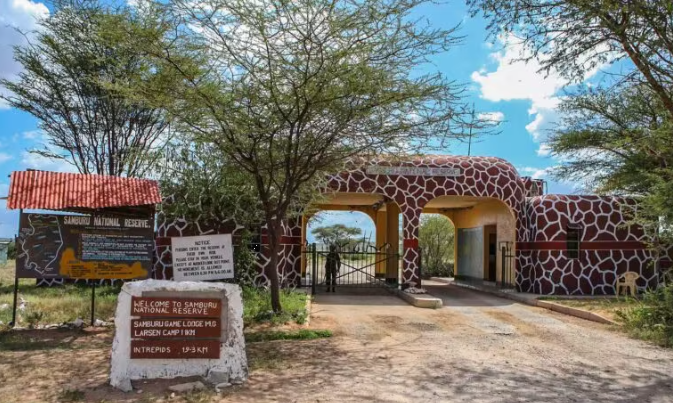
Samburu National Reserve, located in northern Kenya, northeast of Laikipia, covers approximately 165 square kilometers. While less frequented than southern Kenya’s parks, Samburu offers exceptionally rewarding wildlife experiences for those seeking authentic safari adventures away from crowds.
The reserve is famous for hosting the Samburu Special Five, which includes unique species rarely found elsewhere in Kenya: the Beisa oryx, Grevy’s zebra, gerenuk, reticulated giraffe, and Somali ostrich.
Meru National Park
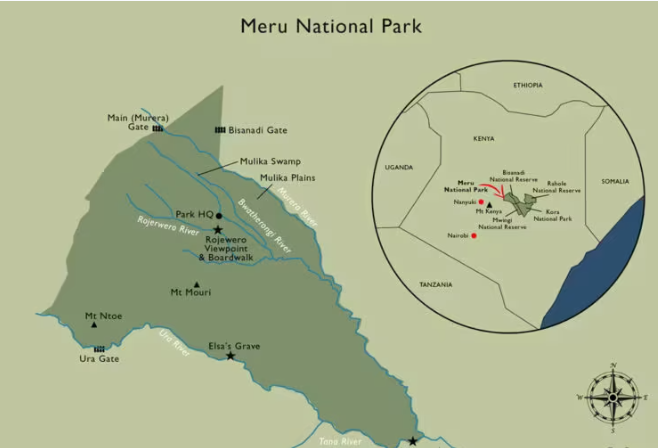
Meru National Park, covering approximately 870 square kilometers, represents one of Kenya’s most underrated conservation gems. The park gained international recognition through Joy Adamson’s famous book Born Free, which chronicled the rehabilitation of Elsa the lioness. Today, Meru offers visitors opportunities to experience over 300 bird species and encounter rare species, including greater kudu, caracal, and aardwolf, alongside more common safari animals.
The best months to visit Meru National Park are from January to March and June to October, when weather conditions optimize wildlife viewing and accessibility throughout the park.
Mount Kenya National Park
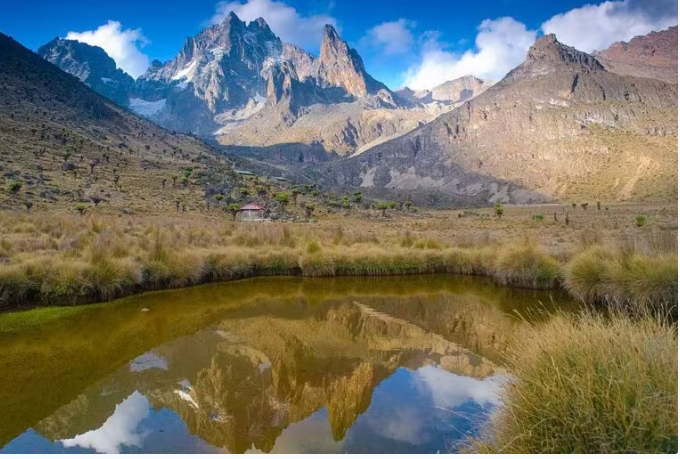
Mount Kenya National Park, designated as a UNESCO World Heritage Site, protects Africa’s second-highest mountain and its unique high-altitude ecosystems. The park covers approximately 715 square kilometers and encompasses diverse vegetation zones from montane forests through alpine moorlands to the glaciated peaks.
The park is renowned for its exceptional flora and fauna adapted to high-altitude conditions, including endemic species found nowhere else on Earth. The varied elevation zones create distinct ecological communities, from dense forests inhabited by elephants, buffalo, and various primates to alpine areas where specialized plants have adapted to extreme conditions.
Nairobi National Park
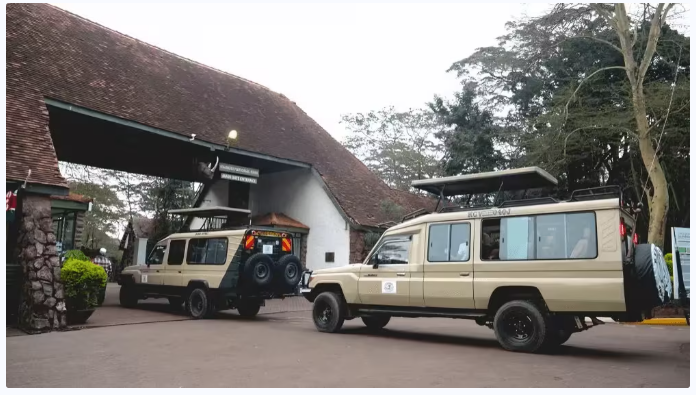
Nairobi National Park is the world’s only national park located within a capital city’s boundaries. It covers approximately 117 square kilometers and is just seven kilometers from Nairobi’s city center.
The park supports over 100 mammal species and serves as an important sanctuary for the critically endangered black rhino. More than 500 bird species have been recorded, including seasonal migrants from Europe and Asia, making it a significant birdwatching destination.
Best Time to Visit Kenya’s National Parks
Kenya’s national parks and reserves offer rewarding wildlife experiences year-round, but the timing of your visit significantly affects what you will see, how crowded the parks are, and what you will pay.
Dry Season: June to October (Peak Safari Season)
The dry season is widely considered the best time to visit Kenya’s national parks. Vegetation thins out, water sources become scarce, and wildlife concentrates around rivers and watering holes, making animals far easier to spot. This is also the prime window to witness the Great Wildebeest Migration in the Maasai Mara, with the most dramatic Mara River crossings occurring from late July through September.
Key highlights of the dry season:
- June: Excellent game viewing begins; drier roads; pre-migration calm in the Maasai Mara
- July–August: Peak migration; Mara River crossings at their most dramatic; highest visitor numbers
- September–October: Migration continues; slightly warmer; excellent predator activity
Note that this is also the high season, meaning park entry fees, accommodation rates, and flight costs are at their peak. Booking several months in advance is strongly recommended.
Green Season: November to March (Shoulder and Low Season)
The short rains fall in November and December, while January through March brings drier, warmer conditions. Despite some rainfall, this period offers compelling advantages:
- Lower rates across lodges and camps
- Fewer crowds for a more exclusive wildlife experience
- Newborn wildlife — January and February mark the calving season in the Maasai Mara, attracting large predators
- Outstanding birdwatching — migratory birds from Europe and Asia are present in Kenya’s parks from November through April.
Long Rains: April to May (Low Season)
April and May mark the peak of Kenya’s long rains. Roads in some parks can become difficult to navigate, and certain lodges may close for maintenance. However, the landscape is spectacularly lush, rates are at their lowest, and parks are at their least crowded, making this period ideal for budget-conscious travellers who do not mind occasional rainfall.
Complete List of Parks in Kenya
Below is a table with all national parks, national reserves, and marine protected areas in Kenya as managed by the Kenya Wildlife Service:
National Parks (23)
- Aberdare National Park
- Amboseli National Park
- Arabuko Sokoke National Park
- Central Island National Park
- Chyulu Hills National Park
- Hell’s Gate National Park
- Kora National Park
- Lake Nakuru National Park
- Malka Mari National Park
- Meru National Park
- Mount Elgon National Park
- Mount Kenya National Park
- Mount Longonot National Park
- Nairobi National Park
- Ol Donyo Sabuk National Park
- Ruma National Park
- Saiwa Swamp National Park
- Sibiloi National Park
- Shimba Hills National Park
- Tsavo East National Park
- Tsavo West National Park
- Watamu Marine National Park
- South Island National Park
National Reserves (31)
- Arawale National Reserve
- Bisanadi National Reserve
- Boni National Reserve
- Buffalo Springs National Reserve
- Dodori National Reserve
- Kakamega Forest National Reserve
- Kerio Valley National Reserve
- Lake Bogoria National Reserve
- Losai National Reserve
- Maasai Mara National Reserve
- Marsabit National Reserve
- Mwea National Reserve
- Nasolot National Reserve
- Ngai Ndeithya National Reserve
- North Kitui National Reserve
- Ol Kinyei Conservancy
- Rahole National Reserve
- Rimoi National Reserve
- Samburu National Reserve
- Shaba National Reserve
- Shimba Hills National Reserve
- South Kitui National Reserve
- South Turkana National Reserve
- Tana River Primate Reserve
- West Pokot National Reserve
- Witu Forest Reserve
- Ruma National Reserve
- North Horr National Reserve
- Laikipia National Reserve
- Kilifi National Reserve
- Athi-Kapiti National Reserve
Marine Parks and Reserves (6)
- Kisite-Mpunguti Marine National Park
- Kiunga Marine National Reserve
- Malindi Marine National Park
- Mombasa Marine National Park
- Watamu Marine National Park
- Diani-Chale Marine National Reserve
National Sanctuaries (6)
- Nairobi Animal Orphanage
- Kisumu Impala Sanctuary
- Maralal National Sanctuary
- Ol Jogi Wildlife Conservancy
- Ngulia Rhino Sanctuary
- Mwamba-Mvita Sanctuary
Frequently Asked Questions
What is the difference between a national park and a game reserve in Kenya?
A national park is managed exclusively by the Kenya Wildlife Service (KWS) and prohibits human settlement and livestock grazing within its boundaries. A national reserve is managed by county governments or community councils, allows some human activity and pastoralism, and typically shares tourism revenue with local communities. The Maasai Mara, for example, is a national reserve managed by Narok County, not a national park.
How many national parks are there in Kenya?
Kenya has 23 national parks, all managed by the Kenya Wildlife Service. These are fully protected areas where human habitation is prohibited, and wildlife conservation is the sole priority. In addition to national parks, Kenya has 31 national reserves, 6 national sanctuaries, and 6 marine parks and reserves.
Which is the smallest national park in Kenya?
Saiwa Swamp National Park in Trans-Nzoia County is the smallest national park in Kenya, covering only 3 square kilometers. Despite its small size, it is the only place in Kenya where the rare sitatunga antelope can reliably be seen in its natural swamp habitat.
Which national park is closest to Nairobi?
Nairobi National Park is the closest national park to the capital, located just seven kilometers from Nairobi’s city center. It is the world’s only national park situated within the boundaries of a capital city, making it uniquely accessible for a quick safari without leaving the city.
Which is the largest national park in Kenya?
Tsavo National Park is the largest protected area in Kenya, covering approximately 22,000 square kilometers when combining Tsavo East (13,747 km²) and Tsavo West (9,065 km²). It is one of the largest national parks in Africa.