


Did you know that Kenya’s natural resources account for about 42% of the country’s GDP? Yes, that’s right, and the most astounding fact is that many of them remain unexploited or even unknown to many Kenyans today. However, natural resources in the country are critical to each person, despite the fact that some are not accessible to the human population. These natural resources are everywhere: forests, wetlands, arid and semi-arid areas, and marine/coastal zones.
For those who may not be fully aware, our very existence as humans is intricately linked to these natural resources. Many of the items we use daily, such as plastics, the iron roofs on our houses, and smartphones, may not be immediately associated with natural resources, but they all have their origins in these vital elements. So, how many natural resources does Kenya possess? Can you name them based on your social studies or geography knowledge? If you’re unsure, don’t worry. This article will guide you through all of them, helping you understand their importance in the best possible way.
Types of Natural Resources Found in Kenya
Not just in Kenya, but natural resources in general are classified into two categories, which are as follows:
Renewable Resources
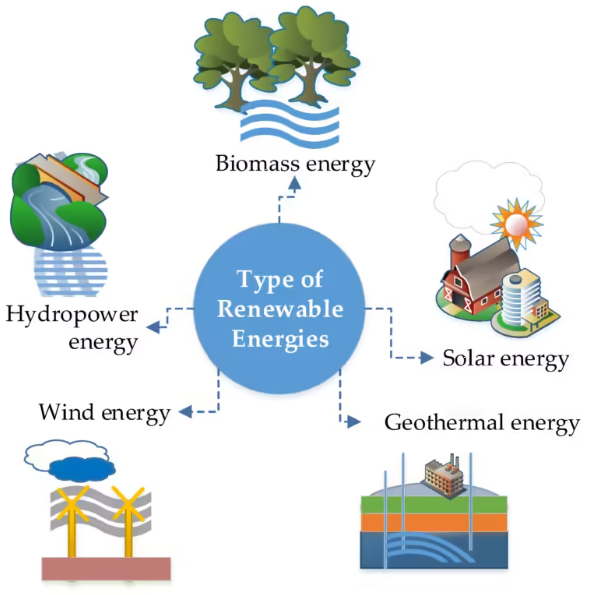
In the simplest terms, renewable sources of energy are resources provided by nature that can be replenished if they are limited, but they cannot run out. Examples of renewable energy sources include Geothermal energy, Hydroelectric Power, Wind energy, Solar energy, Biomass Energy, and Water resources. These aren’t considered direct energy sources, but they are important for supporting all renewable resources and maintaining ecological balance.
More Read

Non-Renewable Resources
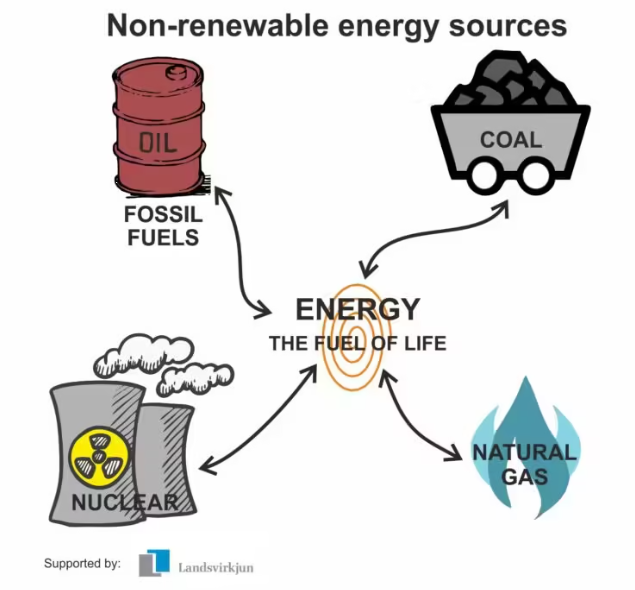
Non-renewable resources are the opposite of renewable resources: they are resources we use, but once they are used up, they cannot be replenished quickly because it takes years for them to form. Examples include Fossil fuels (made up of Coal, Oil, and Natural Gas), Minerals (over 970 in Kenya), Nuclear energy, and, in some cases, even water.
Complete List of All Natural Resources in Kenya
Now, let’s get into more specific details about which natural resources are more associated with what is available in Kenya.

Renewable Energy Resources in Kenya
Kenya is among the leading countries in Africa that is more associated with renewable energy adoption in Africa, with over 90% of its electricity generated from sustainable sources such as geothermal, hydropower, wind, and solar, as listed in the table below:
| Resource | Description | Current Installed Capacity (2026) | Estimated Potential | Key Projects/Examples |
|---|---|---|---|---|
| Geothermal Energy | Heat energy extracted from underground reservoirs in the Rift Valley. | 7,000–10,000 MW | Olkaria Geothermal Power Station (Africa’s first geothermal plant) | |
| Hydropower | Electricity generated from water flow, primarily via dams on the Tana and Turkwel rivers. | 826 MW | Limited by rainfall variability; existing projects face reduced output in droughts. | Seven Forks Scheme (series of dams along the Tana River) |
| Wind Energy | Kinetic energy harnessed from wind turbines in high-potential areas. | 310 MW at LTWP | 22,476 TWh/year (theoretical) | Lake Turkana Wind Power Project (Africa’s largest wind farm); Kipeto Wind Project |
| Solar Energy | Energy from photovoltaic (PV) panels and solar thermal systems. | 100+ MW at Garissa | 17,000 MW by 2050 | Garissa Solar Power Plant; Solar Water Heating Regulations (2012) |
| Biomass Energy | Traditional use of woodfuel/charcoal; modern applications include waste-to-energy plants. | Dominates household energy | 29–131 MW (biogas potential) | Kenya Off-Grid Solar Access Project (KOSAP); clean cookstove initiatives |
| Biogas | Methane gas produced from organic waste, agricultural residues, and municipal waste. | Small-scale installations | 500,000 biogas stoves targeted by 2030 | National biogas programs under climate action plans |
| Tidal Energy | Energy harnessed from tidal movements along Kenya’s 640 km coastline. | Under research | – | Academic research partnerships (e.g., Technical University of Mombasa) |
| Green Hydrogen | Produced via electrolysis using renewable electricity for industrial and maritime applications. | Pilot phase | Strategic focus under Kenya’s Green Hydrogen Roadmap | Mombasa Port’s green shipping corridor initiatives |
Non-Renewable Resources in Kenya
The majority of Kenya’s natural resources are renewable, just as we have listed previously. However, nonrenewable energy resources remain important to the country, especially for industrial processes, transportation, and mineral exports. These resources are:
| Resource | Description | Production Status (2026) | Estimated Reserves | Key Projects/Examples |
|---|---|---|---|---|
| Crude Oil | Light sweet oil discovered in Lokichar Basin (Turkana County) since 2012. | Early production phase; full-scale production targeted for December 2026 | Lokichar Oilfields (Gulf Energy); proposed Lokichar-Lamu pipeline (824 km) | |
| Natural Gas | Associated gas from oilfields; offshore exploration in Lamu Basin. | Limited utilization (flaring at Turkana fields); no commercial reserves confirmed. | Under evaluation | Lamu Basin exploration blocks (Eni, TotalEnergies) |
| Coal | Sub-bituminous coal deposits in Kitui Basin; no proven reserves. | No active mining; imports 1.29 million short tons annually. | 400 million tons (inferred, Kitui); zero proven reserves. | Cancelled Lamu Coal Plant (1,050 MW) due to environmental concerns |
| Minerals | 970+ mineral prospects across 15 counties ,including metallic, industrial, and rare earth elements. | Artisanal mining dominates; limited large-scale exploitation. | Kitui (coal), Kwale (titanium), Taita-Taveta (gemstones) | Kwale Mineral Sands (Base Titanium); Mrima Hill Niobium/REE project (Cortec Mining) |
| Nuclear Fuel (Uranium) | Trace uranium deposits identified in coastal regions; no active mining. | Theoretical potential only; Kenya plans nuclear power by 2035. | – | Kenya Nuclear Regulatory Authority (KNRA) roadmap; IAEA technical support |
| Peat | Organic fuel from waterlogged wetlands (e.g., Garsen, Yala Swamp). | Artisanal harvesting for domestic fuel; no industrial-scale production. | 8 million tons (estimated) | Kenya Electricity Generating Company (KenGen) peat-to-power feasibility studies |
| Groundwater (Non-Renewable) | Fossil aquifers with slow recharge rates (e.g., Merti Aquifer). | Overexploited for irrigation and urban supply in arid regions. | 200 billion m³ (Merti Aquifer) | National Water Master Plan 2030; UNESCO-funded aquifer mapping |
FAQs
What are the natural resources of Kenya?
Kenya is endowed with diverse natural resources, including geothermal energy, hydropower, wind and solar potential, crude oil reserves in Turkana, over 970 mineral deposits (gold, titanium, niobium, rare earth elements, gemstones, soda ash), extensive forests, water bodies like Lake Victoria and the Tana River, and rich wildlife. The country also has significant biomass energy resources and marine resources along its 536-kilometer coastline.
What is Kenya mostly rich with?
Kenya is particularly rich in renewable energy resources, especially geothermal energy, with an estimated potential of 7,000-10,000 MW, making it a global leader in geothermal power generation. The country is also notably rich in soda ash from Lake Magadi (one of the world’s largest deposits), titanium minerals at Kwale, rare earth elements, and gemstones, including tsavorite, rubies, and sapphires.
What are the top 5 natural resources?
Globally, the top 5 most important natural resources are water (essential for all life), air (oxygen), petroleum/oil (powers transportation and industry), natural gas (energy and industrial uses), and coal (electricity generation). In Kenya specifically, the top 5 resources are geothermal energy, water resources, minerals (especially titanium and soda ash), arable land, and oil reserves in Turkana County.
What are the four most important natural resources?
The four most critical natural resources universally are water (essential for survival and agriculture), air (oxygen for breathing), fossil fuels (oil, natural gas, coal for energy), and minerals (for construction and manufacturing). These resources form the foundation of human civilization and economic development, supporting everything from basic survival needs to industrial processes.
What are the four types of resources?
Natural resources are classified into four main types: Renewable resources (can be replenished naturally like solar, wind, water, forests), Non-renewable resources (finite supplies like fossil fuels, minerals, metals), Biotic resources (derived from living organisms like forests, wildlife, crops), and Abiotic resources (from non-living things like minerals, water, air, sunlight). These classifications help in understanding resource sustainability and management strategies.